Written work
With Love from Ainezalandia: New Poems
The working title of a collection in progress
You've Just Been Told. (2000)
"I love ... the way [the poems] keep my mind and my heart moving between two places: the quotidian world and the world she makes of this world with her just-off-center imagination and her passionate intelligence."—Thomas Lux.
A Woman Kneeling in the Big City (1992)
"These are poems with ... a dark wit which yokes together diesel exhaust and desperate regret, and downright cityscapes with poignant longing. No dissociation of sensibility here."—Eavan Boland.
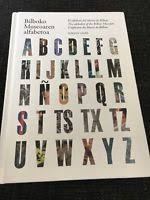
Bilbao–New York–Bilbao, by Kirmen Uribe
"A novel for travellers and storytellers and an all too rare insight into the wonders of Basque culture."
"Who Put the Code in the Dagoeneko?"
At first an essay in Barrow Street's Fall 2001 issue, this project quickly became ongoing. Periodically ever so slightly seemingly out of control, and yet it all started with the thought of "pre-translation."
"It's a Woman's Prerogative to Change Her Mind" (2000)
"Perhaps a reader of By Herself will 'swerve' ... from thought to thought pleasurably, as ... Macklin recommends that women poets do, as writers, in [her] opening essay"—Molly McQuade, in her Introduction to By Herself: Women Reclaim Poetry.